Know More about Ayurvedic Herbs
Ayurveda is an ancient system of medicine that originated
in India over 5,000 years ago. The word Ayurveda is derived from the
Sanskrit words "Ayur," meaning life, and "Veda," meaning knowledge.
Ayurveda is often referred to as the "science of life" or the "art of
living," and it focuses on promoting overall health and well-being
rather than just treating specific illnesses.
Ayurveda views each person as a unique individual with their own mind,
body, and spirit. It recognizes that everyone has a unique set of
physical and mental characteristics, which is known as their dosha.
There are three doshas in Ayurveda: Vata, Pitta, and Kapha. Each dosha
has its own set of physical and mental characteristics, and everyone has
a unique combination of the three.
Ayurveda believes that good health depends on the balance of the three
doshas, and illness occurs when there is an imbalance. The goal of
Ayurvedic treatment is to restore balance and harmony to the body and
mind through a combination of diet, lifestyle changes, herbal remedies,
and other natural therapies.
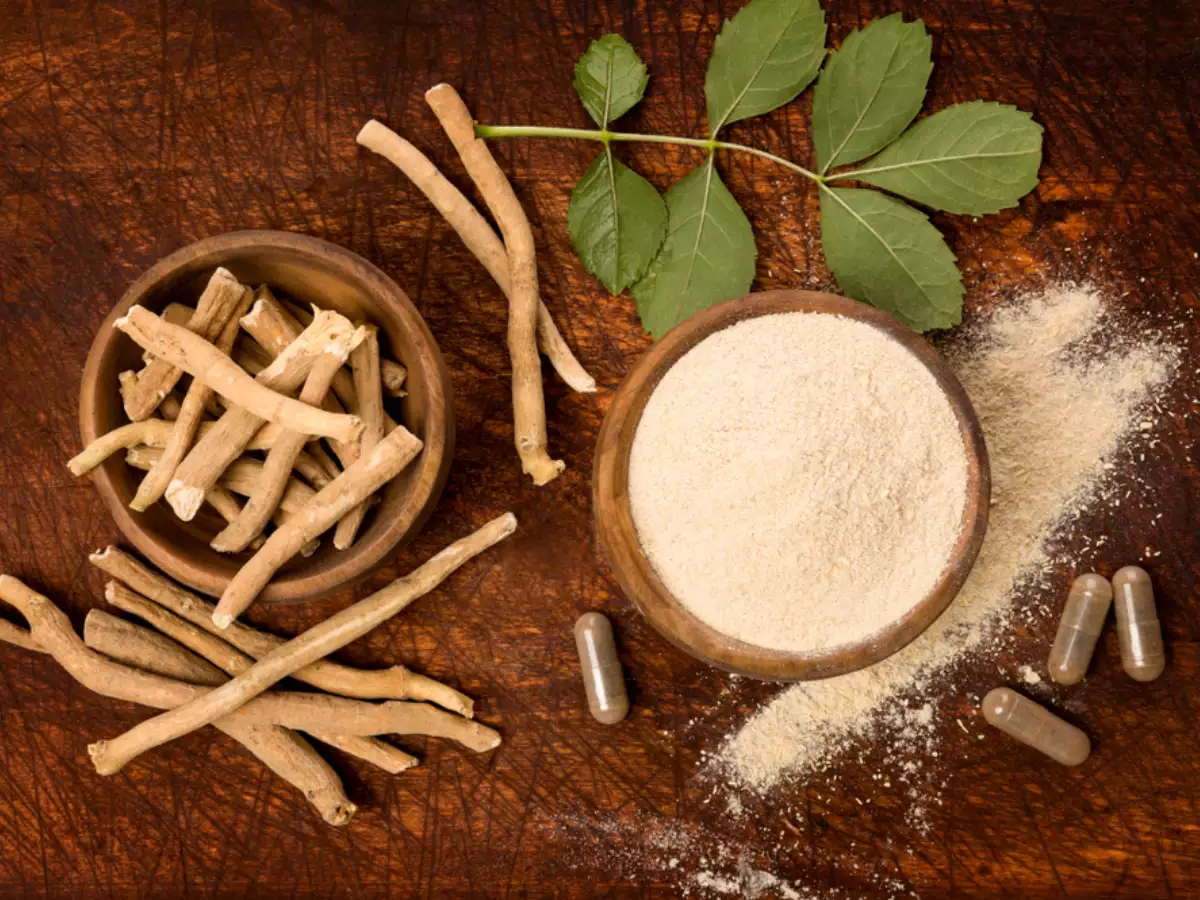
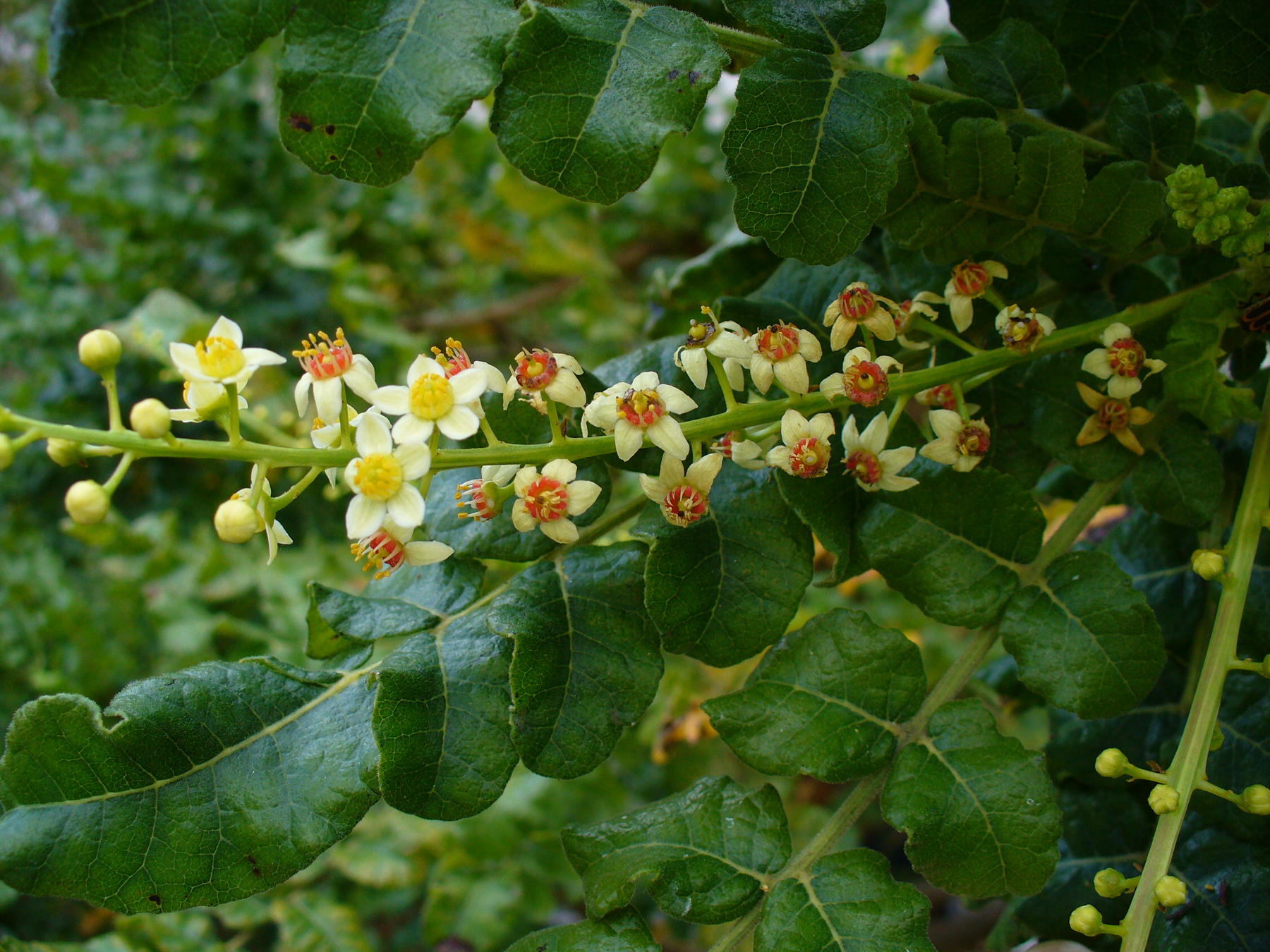
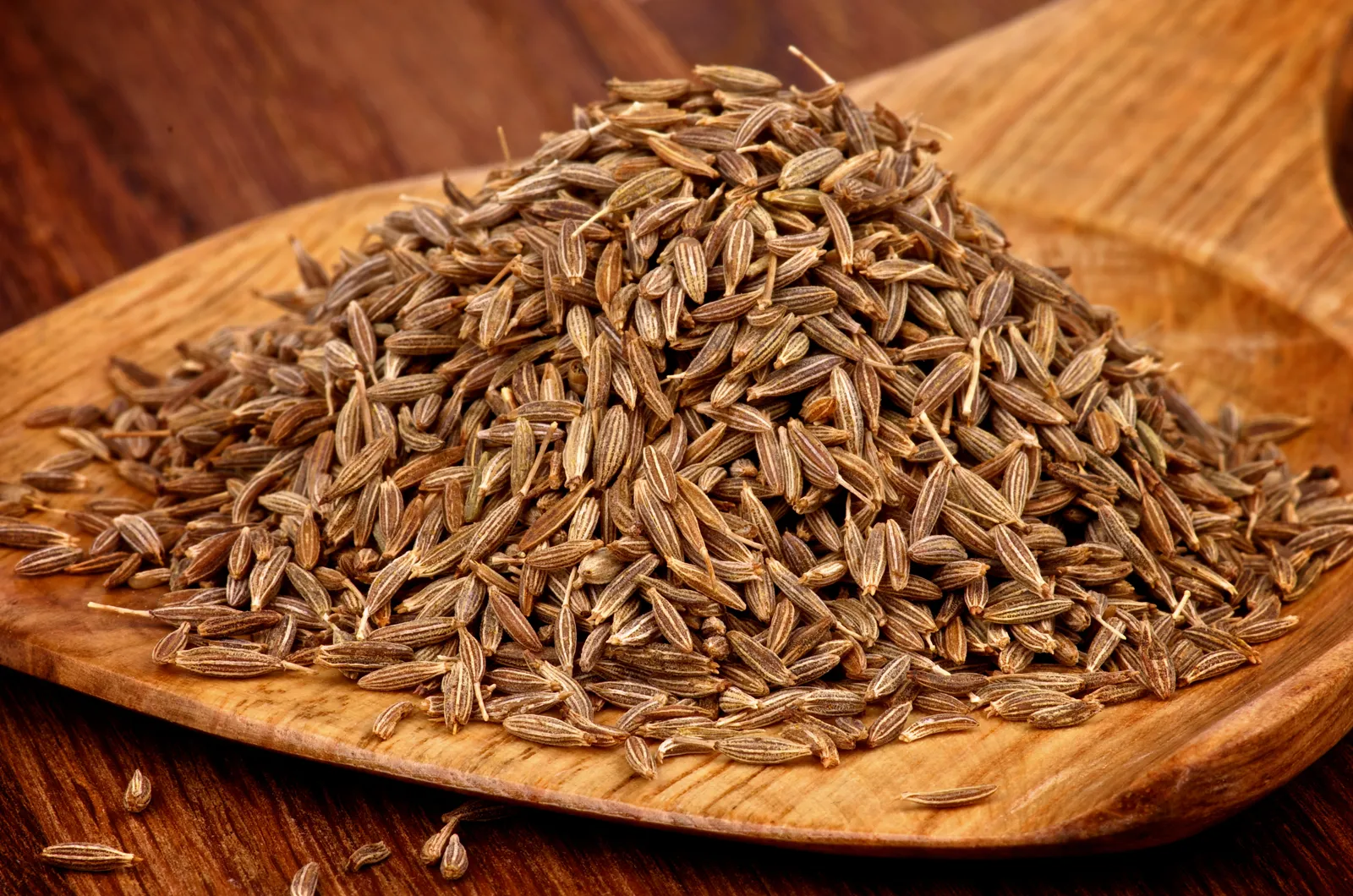
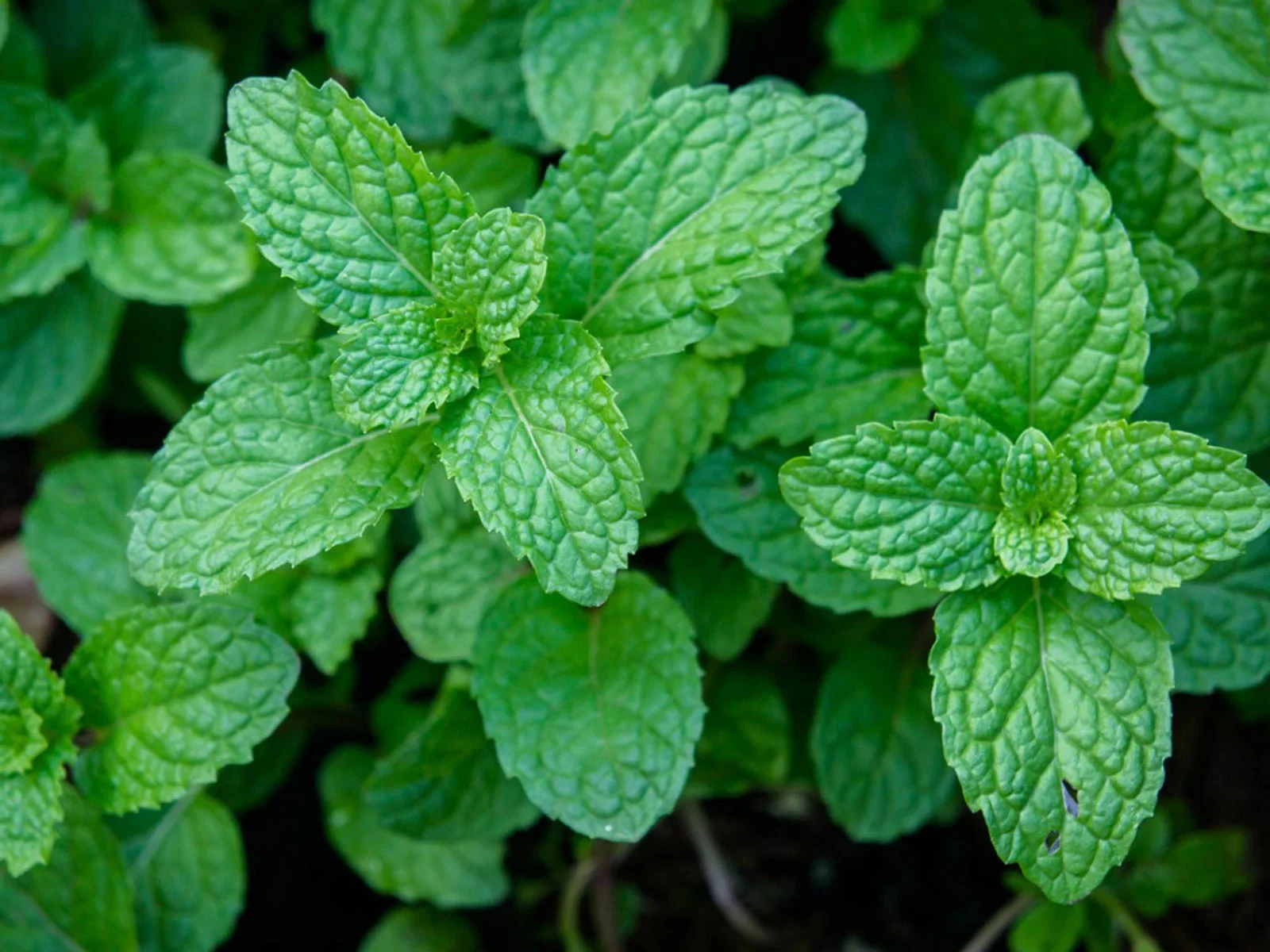
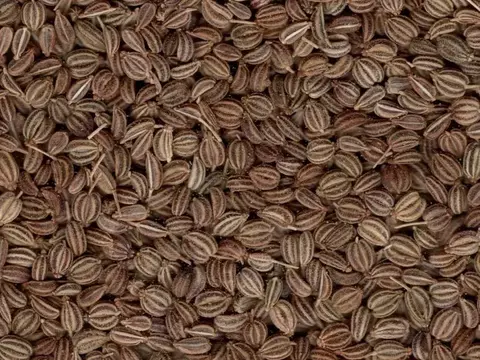
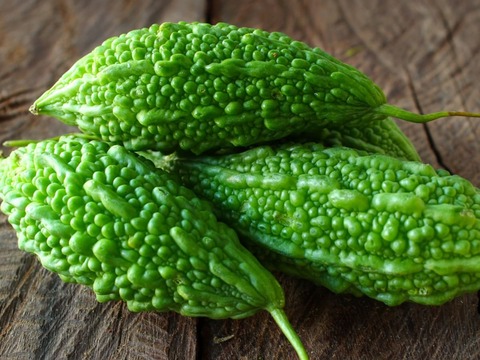
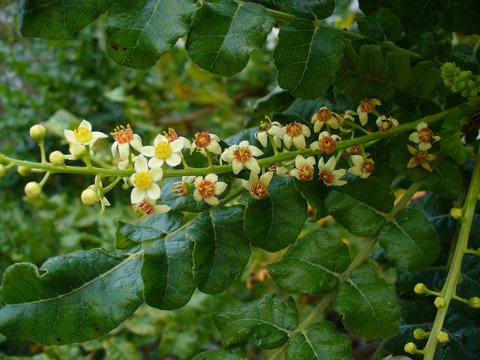
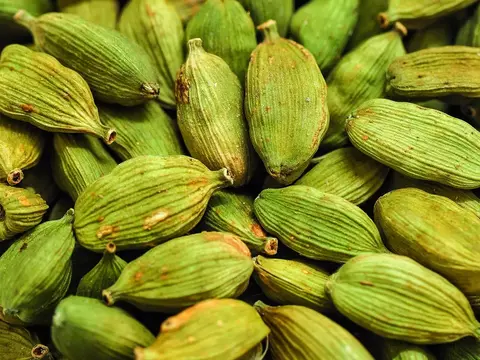
Ayurvedic medicine includes a wide range of natural remedies, including
herbs, oils, and minerals. These remedies are used to treat a wide range
of health conditions, including digestive issues, respiratory problems,
skin conditions, and mental health disorders. Ayurveda also emphasizes
the importance of a healthy diet and lifestyle, including regular
exercise, meditation, and yoga.
Overall, Ayurveda is a holistic system of medicine that
emphasizes the importance of treating the whole person, rather than just
the symptoms of a specific illness. It offers a natural and effective
approach to achieving optimal health and well-being, and it continues to
be an important part of traditional medicine in India and around the
world.
Copyright 2023 Satyam Raj. All Rights Reserved